Second time out
A return looks like failure. The paperwork tells a different story.

What comes back with the animal06.1
When an animal is returned to a shelter, it arrives with something no intake animal usually has: a record. There is an adoption file, a foster report if one was done, notes from a home visit, and a reason for return — however honestly or incompletely that reason is stated. The staff member processing the intake already knows more about this animal than they knew when it first came through the door.
That is not nothing. It is, in fact, the most useful position a shelter worker can be in.
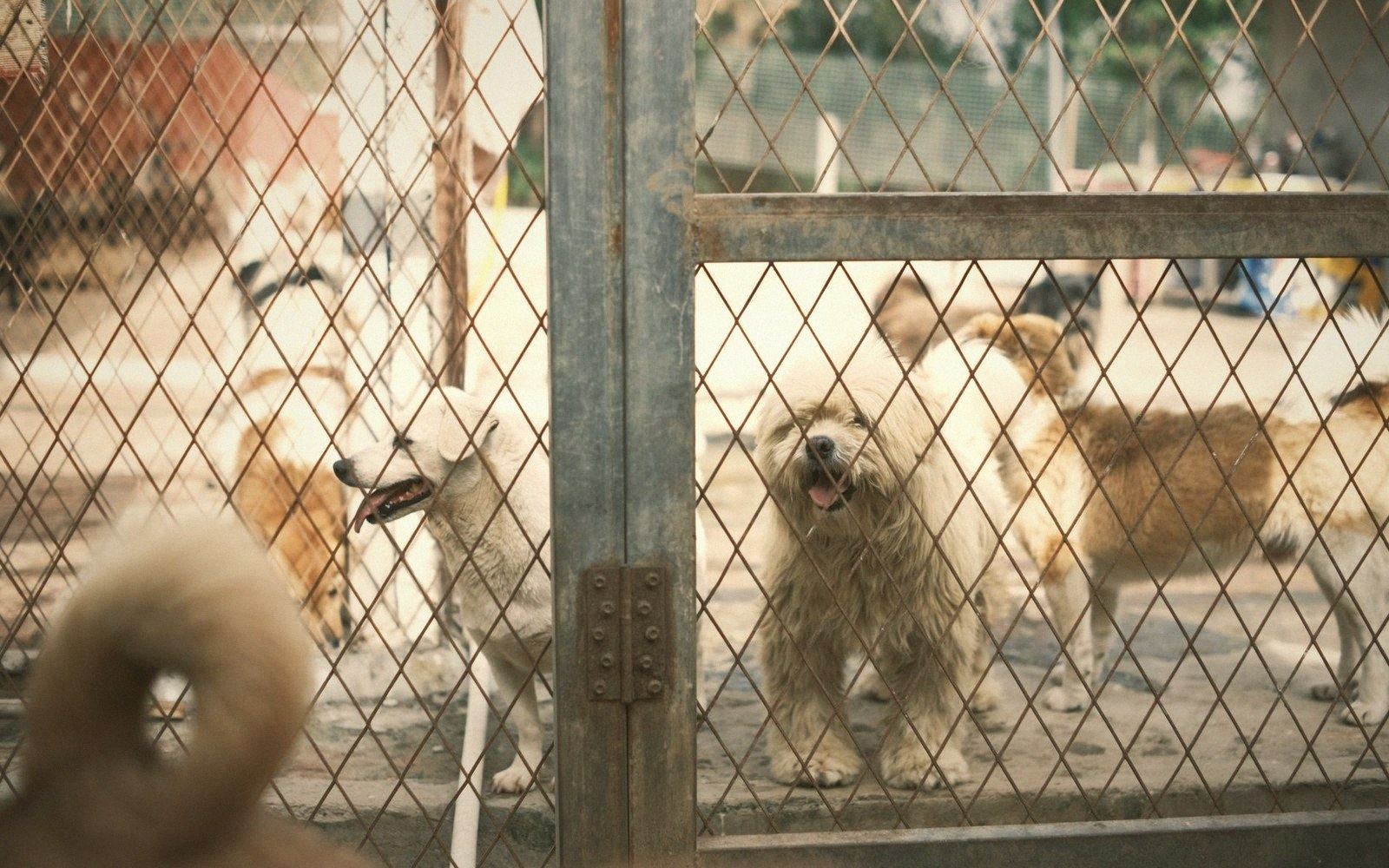
The return is logged against the original record rather than opened as a new case. Everything accumulated on the first stay — temperament notes, kennel behaviour, what it ate, how it reacted to other animals at assessment — is already there. The returning animal does not start from zero. It starts from a baseline, and whatever has changed since is now the interesting question.
Some things will have changed. An animal that spent six months in a home has been living with routine, noise of a domestic kind, and at least one person it knew well. However that placement ended, it carries the experience. Staff who worked with it before may notice the difference immediately: calmer in the run, or conversely, harder to settle than it was. Both observations are data.
Reading the return paperwork06.2
The reason given for return is worth reading carefully, and not always at face value. "Too much energy" can mean the animal was genuinely under-exercised; it can also mean the adopter's life changed and the animal became inconvenient. "Not getting on with the resident dog" is more specific and more useful, particularly if a home visit noted the resident dog's temperament beforehand. When the return reason matches something flagged at the matching stage, the file is telling you something actionable for next time.
Returns handled quickly — within days or a few weeks — tend to produce the clearest information, because the adopter remembers the sequence of events and can describe it. Later returns, after months or years, often arrive with less detail but more behavioural history, which has its own value.
Everything accumulated on the first stay — temperament notes, kennel behaviour, what it ate, how it reacted to other animals at assessment — is already there.
What the combined record — original assessment, placement notes, return reason — gives staff is a richer picture than any single intake can produce. The second match can be made with more confidence than the first. That is the practical argument for treating returns without stigma: not sentiment, but information. The animal has been somewhere. It came back. Now there is more to work with.