The observation that beats the test

How a kennel assistant's notes outrank a single afternoon of formal testing03.1
A behaviour test takes ninety minutes, maybe two hours. A kennel assistant takes twenty minutes every morning. Over three weeks, that is seven hours of the animal in its actual lived environment — waking up, eating, reacting to strangers walking past, deciding whether to approach the door or retreat to the back of the run.
Formal temperament assessments have a defined role, and what they cannot tell you is also defined: they measure a snapshot, on a given day, under conditions that are nothing like a home. The person cleaning the run does not replace that test, but she accumulates something it cannot produce — pattern. Whether the dog that cowered on day two pushes into your legs by day ten. Whether the cat that hissed at everyone quietly sits at the front of the kennel by the end of the first week, watching traffic pass with something closer to curiosity than fear.
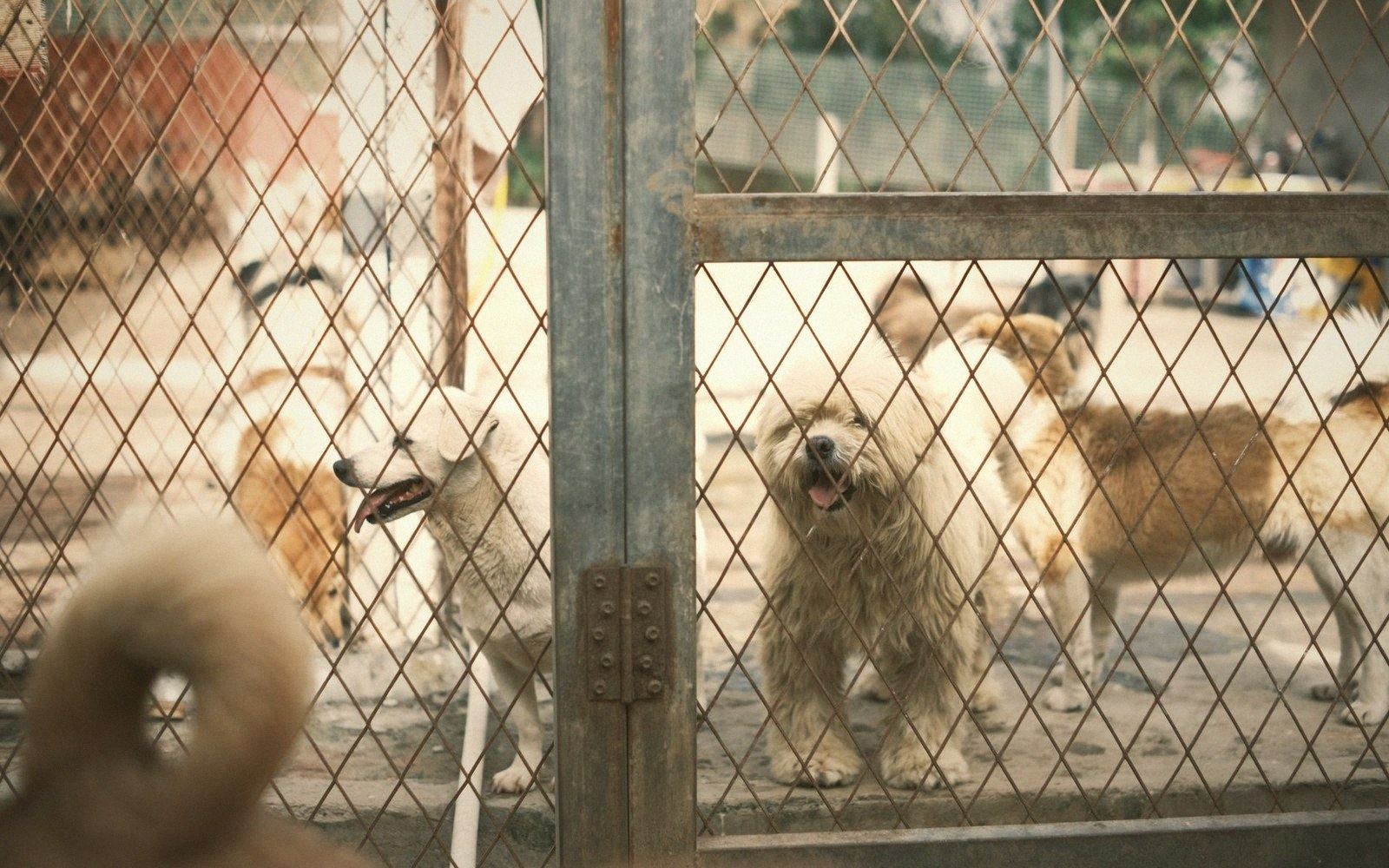
Good shelters build this in deliberately. The run sheet has a notes column, and staff are expected to fill it with observations rather than scores: came to the door today, ate in front of me for the first time, low growl when I moved the bowl. Individually, each entry is slight. Cumulatively, they draw a trajectory. That trajectory is what a behaviour coordinator reads when deciding whether an animal is ready to meet adopters, and which adopters.
The limitation is consistency. If three different people clean the same run on rotating shifts and none of them hands off their observations to the next, the data dissolves. The notebook matters as much as the eye. So does the culture that treats a kennel assistant's observation as information rather than chatter — because in many shelters, the person who spends the most time with the animal has the least formal authority to act on what she sees.
The best assessments pull all of it together: the test, the foster report if there is one, and those weeks of small daily notes that nobody wrote for anyone in particular.
That trajectory is what a behaviour coordinator reads when deciding whether an animal is ready to meet adopters, and which adopters.