Why fostering changes everything
A kennel tells you how an animal copes with noise, concrete and strangers. A foster home tells you who it actually is.
What the kennel cannot give you04.1
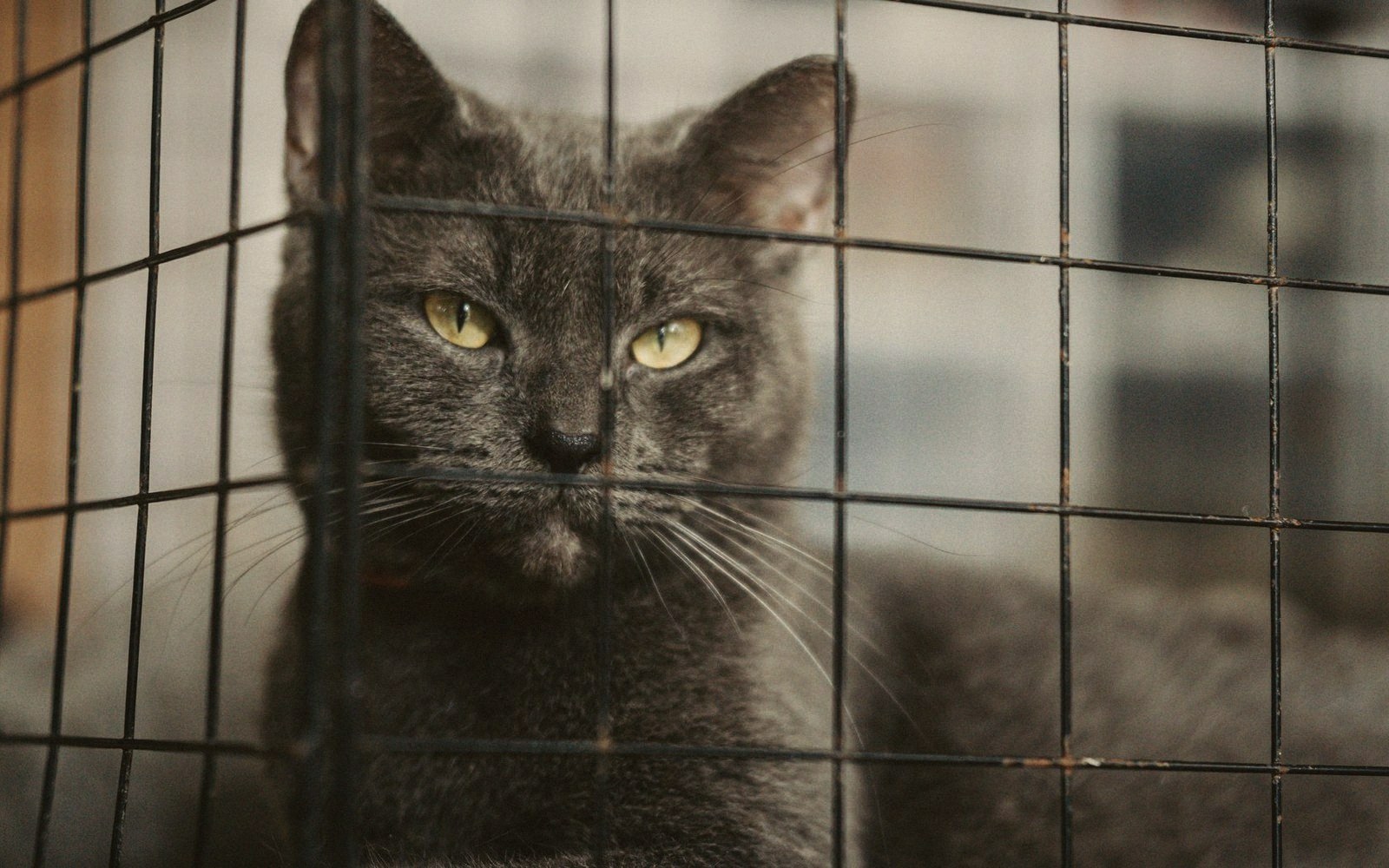
An animal that has spent three weeks in a kennel run is not showing you its personality. It is showing you its response to confinement, unpredictable noise, rotating staff and the permanent stress of proximity to other animals. Some individuals collapse inward — shut down, slow, unreachable. Others inflate, spinning and barking in ways they would never sustain in a living room. Both readings mislead the person trying to find them a home.
This is not a failure of observation. Skilled kennel staff build up real knowledge over weeks of daily contact, and those handwritten notes — who ate, who paced, who settled when a particular volunteer sat with them — matter enormously. But there is a ceiling on what any kennel record can tell you, because the environment itself is the distortion. The animal is always responding to the shelter, not living its life.
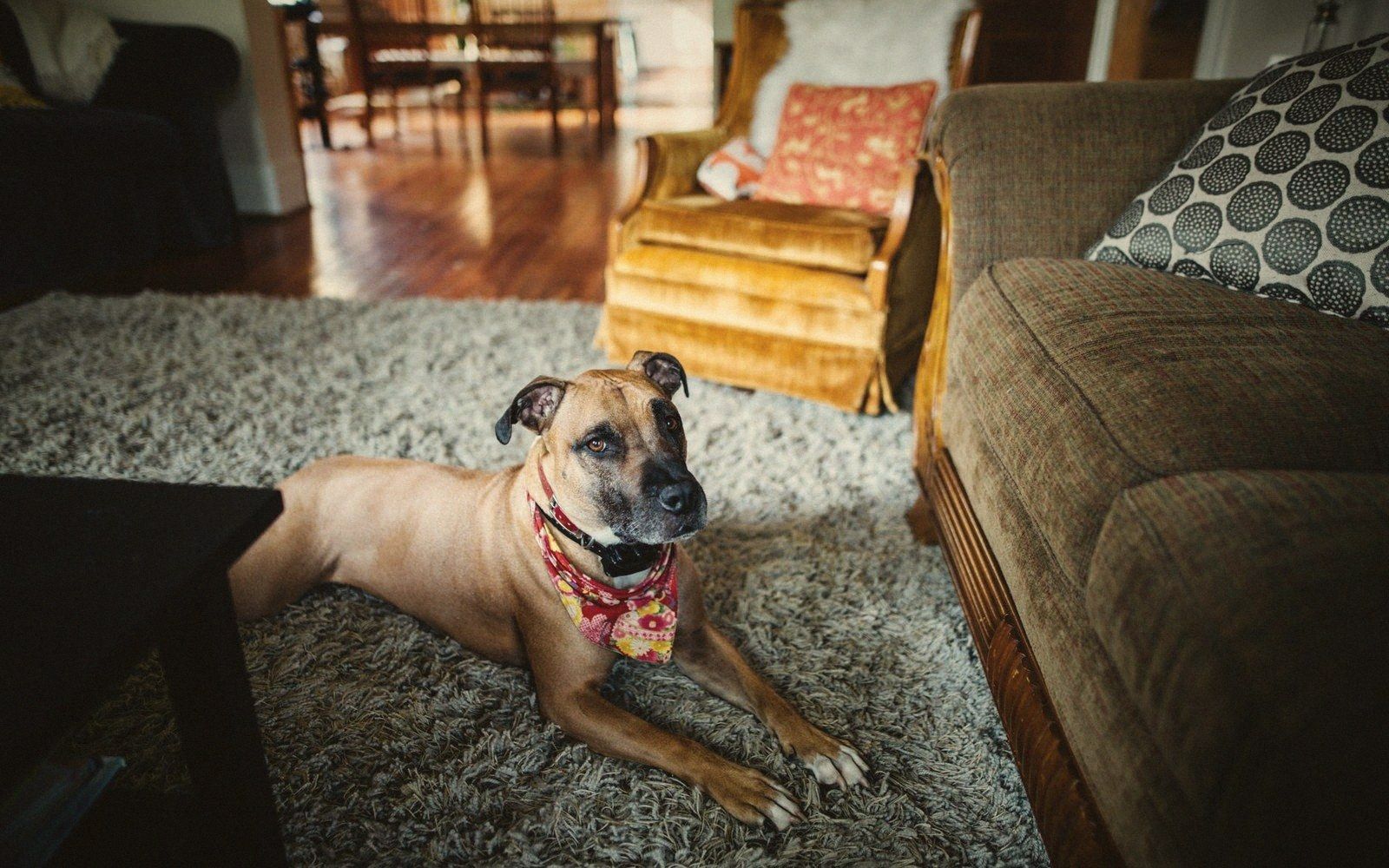
A foster placement removes that distortion. Overnight, or across a fortnight, the same animal sits on a sofa, moves through a hallway, discovers a garden, hears a kettle boil. What emerges is information no behaviour test could produce: how it sleeps, whether it follows people from room to room, how it responds to a front door opening, what it does at ten o'clock at night when everything goes quiet.
What comes back04.2
The value is almost entirely in the reporting. A foster carer who feeds and walks an animal but records nothing has done good welfare work and generated no data. A foster carer who notices that the dog stiffened when the neighbour appeared at the fence, relaxed completely when given a cardboard box to shred, and slept through a full night by day four — that carer has handed the shelter a profile it can actually use.
Good fostering programmes build this reporting in deliberately. Structured check-in questions, a shared log, a phone call at the end of week one: these are not bureaucratic overhead, they are the mechanism by which the placement produces usable information. The question "how's it going?" returns an anecdote. The question "describe what happened the first time another dog passed on the lead" returns a data point.
That data changes matching. An animal recorded as reactive in the kennel may turn out to be fine on a quiet residential street with one calm handler. An animal that seemed placid in assessment may, in foster, show resource-guarding over a food bowl that nobody spotted because kennels rarely allow the kind of settled, unsupervised access to food that a home provides. Both findings alter what kind of home gets offered — and, critically, which households get ruled out rather than in.
What changes for the animal04.3
Beyond information, the placement does something simpler: it gives the animal rest. Kennel stress is cumulative. Even a short foster break interrupts that accumulation, and animals that return from foster to wait further for a permanent home often do so in noticeably better condition — calmer at the front of the run, more readable, easier to walk. Staff who have worked alongside fostering programmes consistently report that animals coming back from placement are more themselves than animals who have stayed in kennels for the equivalent period.
There is also a decompression effect in the permanent home that fostering accelerates. An animal that has already experienced a domestic routine — the rhythms of a household, the ordinary sounds of a fridge, a television, a bathroom — arrives at adoption with some of that novelty already absorbed. The first days in a new home are still demanding, but from a lower baseline of overwhelm.
It is showing you its response to confinement, unpredictable noise, rotating staff and the permanent stress of proximity to other animals.
None of this makes fostering simple to run. Recruiting and retaining carers, ensuring the right animal goes to the right placement, collecting the reporting consistently — these take coordinator time and training that many shelters run on tight margins. But the return is real: a file that arrives at adoption with actual house behaviour in it, and an animal that meets its new owner as something closer to who it really is.
That is the one thing a kennel, however well run, structurally cannot provide. Fostering provides it.