The quiet fortnight
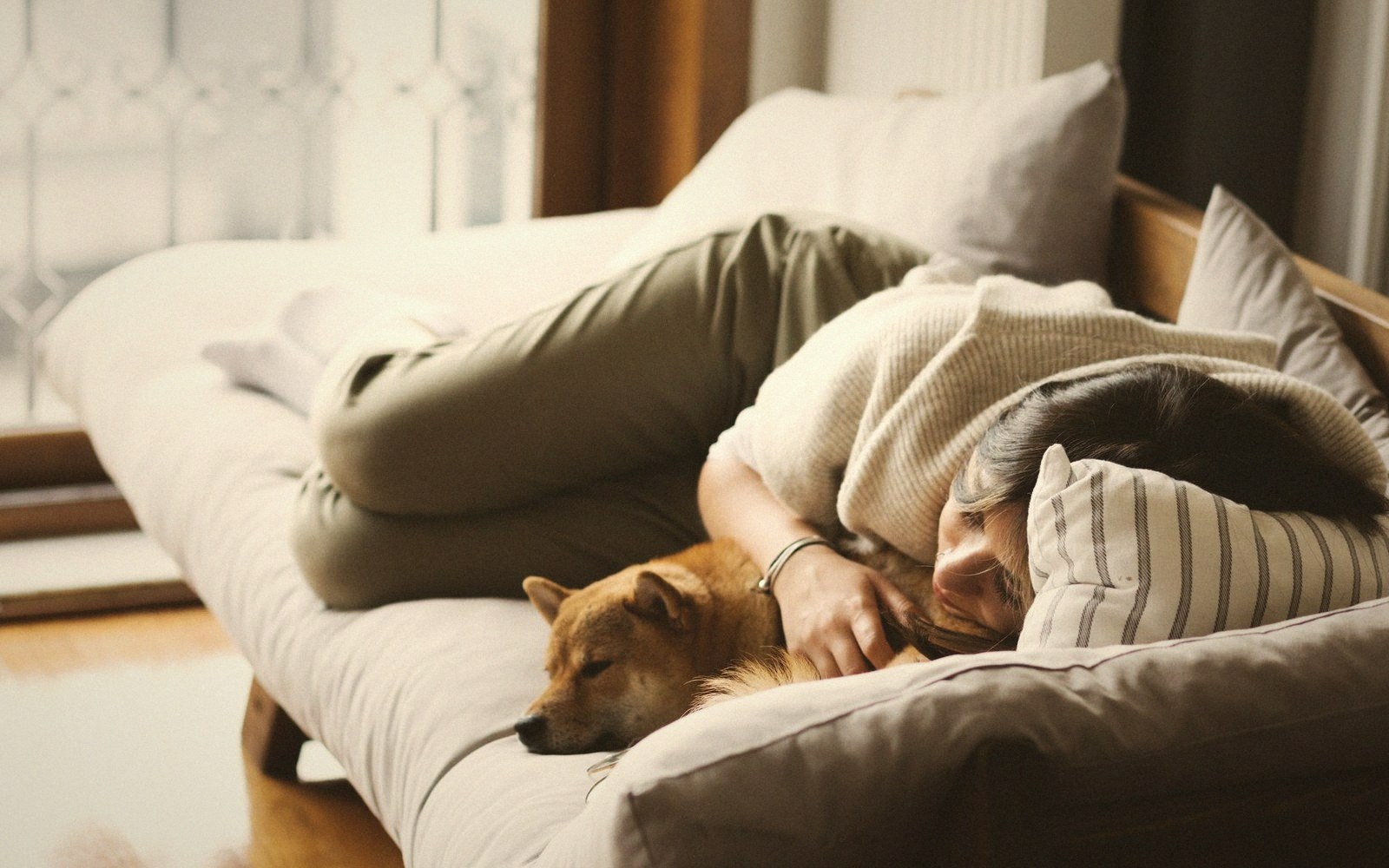
The first two weeks at home are not a honeymoon. They are the animal's attempt to work out whether the danger is over.
Give it a fortnight07.1
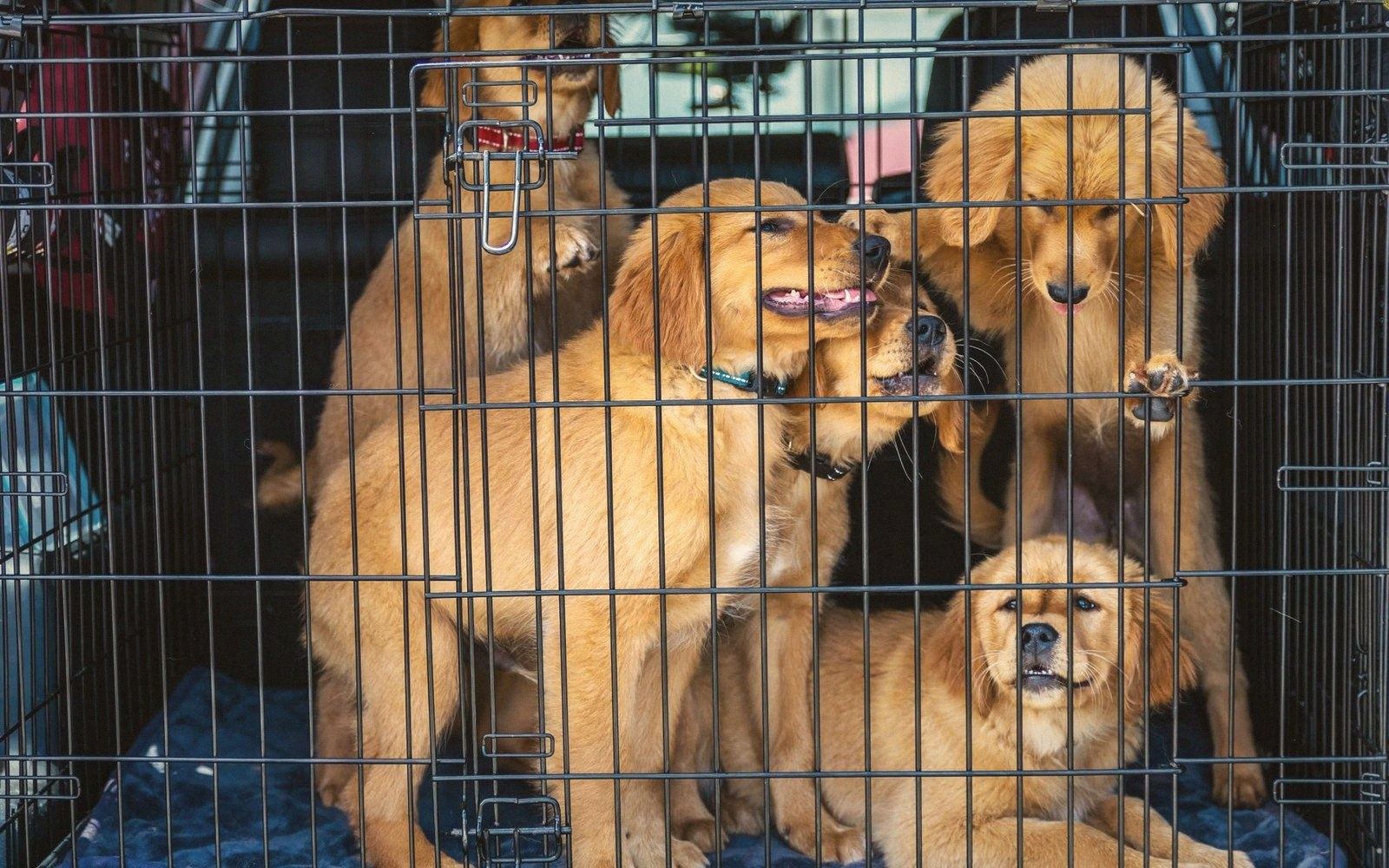
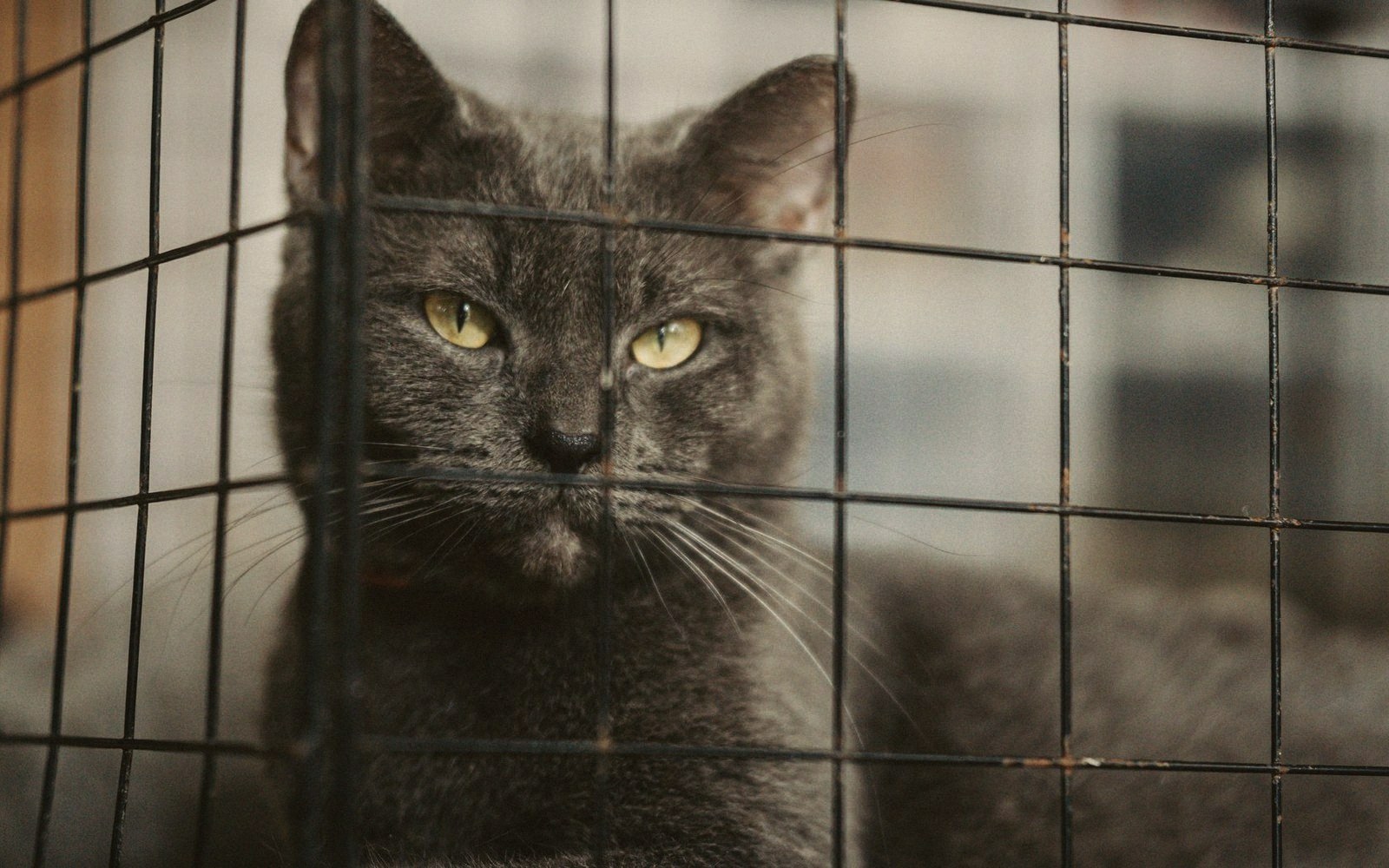
A dog that has moved from a kennel into a house has navigated intake, assessment, possibly a foster placement, and then adoption — each involving strangers, travel and a new smell-map of the world. The nervous system does not reset the moment the front door closes. Decompression is the process of letting it reset slowly, and it asks more of the new household than most adopters expect.
The core prescription is deliberately unglamorous: keep it quiet, keep it consistent, keep the circle small. No trips to the pub garden on day three, no parade of friends coming to meet the dog, no ambitious hike to test the recall. The animal cannot learn the rules of the household while it is also managing the presence of eight strangers in it. Stimulation is not enrichment during this window — it is additional load.
A predictable routine does more in a fortnight than affection alone. Meals at consistent times, the same route for the first toilet walks, the same person doing most of the handling — these are the conditions under which an animal begins to map its environment and trust that what happened this morning will happen again tomorrow. Novelty can come later. Right now, boring is the goal.
The behaviours that show up around day ten to fourteen are often misread. A dog that was seemingly perfect for the first week — still, quiet, compliant — and then starts barking at the postman, raiding the bin or pulling on the lead has not changed; it has relaxed. The shutdown phase has lifted. The animal surfacing is the actual animal, and what you do with that emerging behaviour is what determines how the next three months go.
Resisting the urge to fill those two weeks with experiences is genuinely difficult. Adopters are excited. So are their families. Saying "not yet" to people you care about, on behalf of an animal that cannot explain what it needs, is one of the less-discussed demands of the early period. But a quiet fortnight costs nothing and gives the animal its best start. The adventures are not cancelled — they are deferred by fourteen days.
No trips to the pub garden on day three, no parade of friends coming to meet the dog, no ambitious hike to test the recall.