The cost of the work
The people who move animals through shelters are rarely surprised by grief. They are surprised by how cumulative it is.
What accumulates08.1
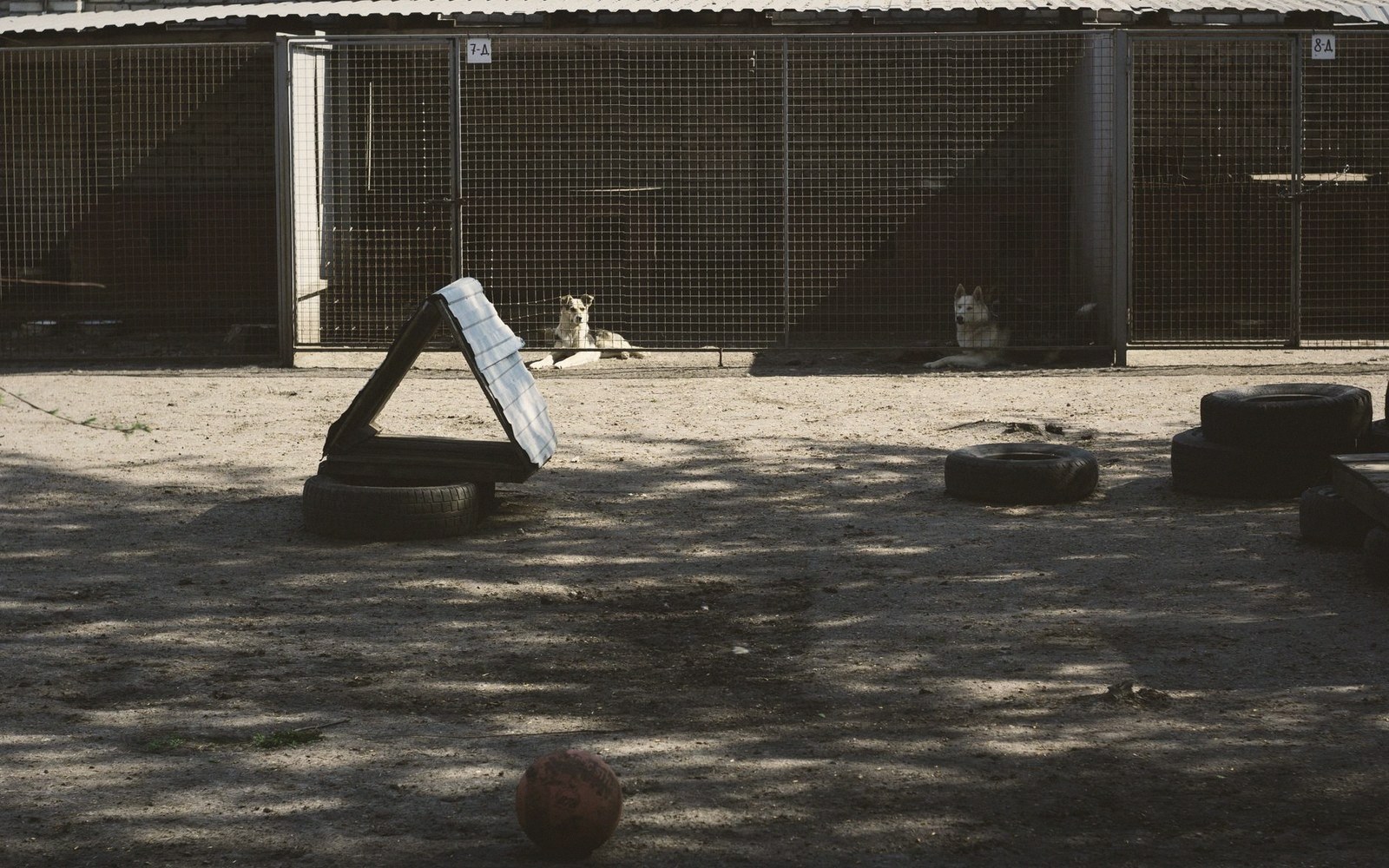
Every shelter role carries a specific kind of emotional load, and it is not the dramatic kind. The dramatic moments — a frightened dog finally eating, a cat placed after eight months in kennels — are the ones that sustain people. What wears them down is the ordinary arithmetic: the animal that came in well-adjusted and deteriorated over weeks of noise and confinement; the length of stay that tips past any reasonable expectation; the return that was not the animal's fault and everyone in the building knows it.
The field has a recognised term for what accumulates: compassion fatigue. It is not burnout, though burnout often follows it. Compassion fatigue is specific to sustained exposure to the suffering of others — human or animal — and it presents differently from general workplace exhaustion. The person still cares, often intensely. That caring has simply become painful to carry.
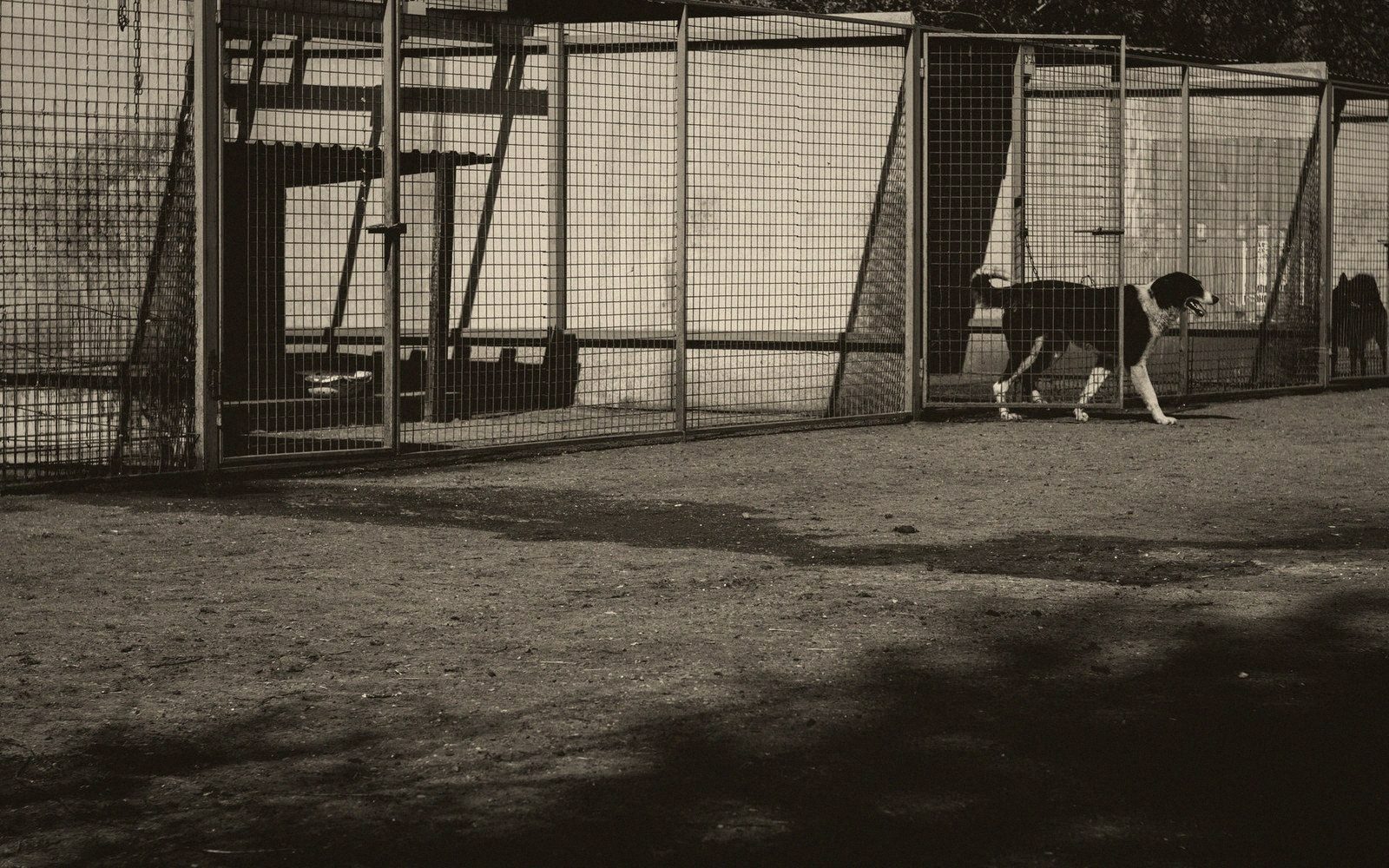
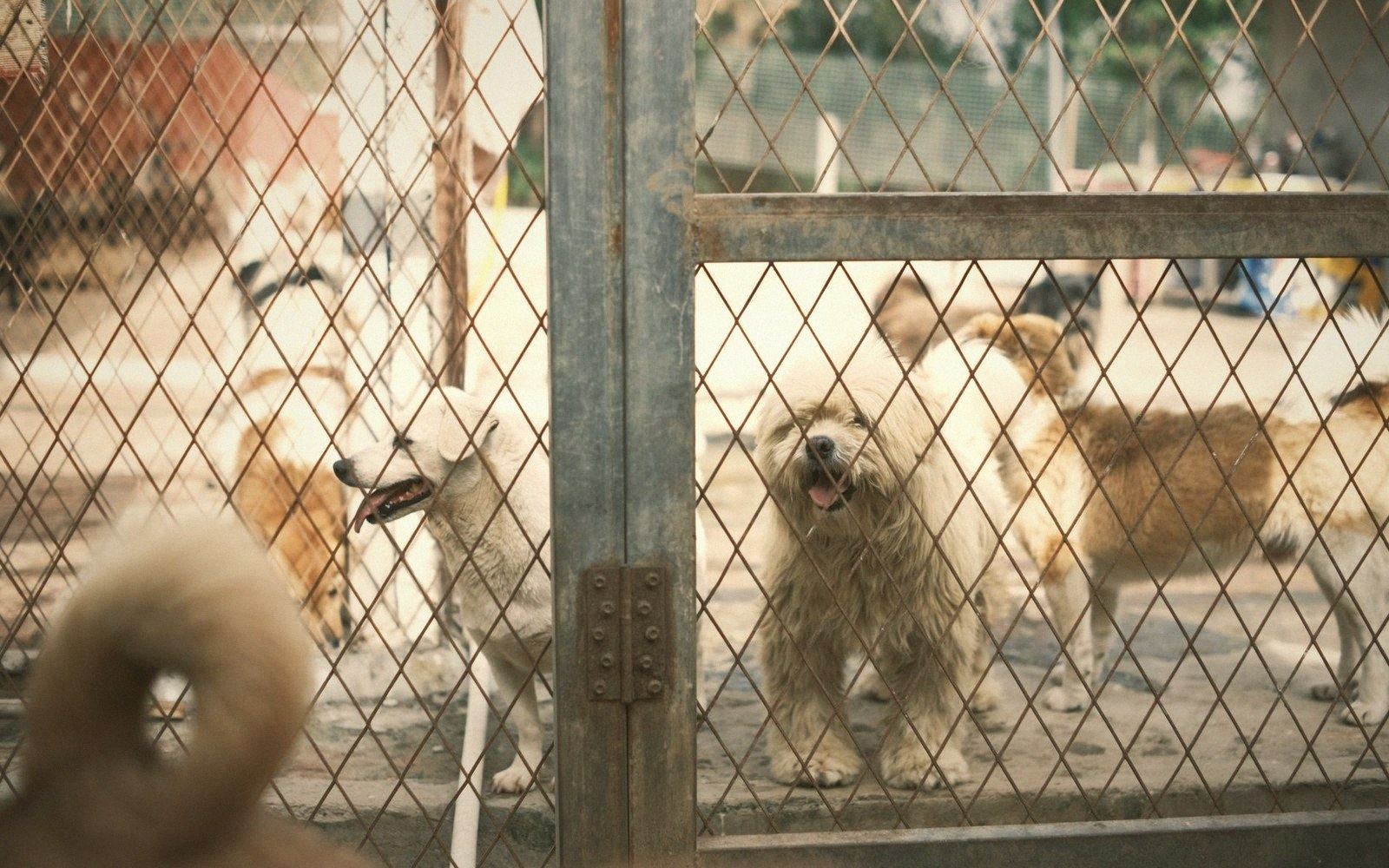
The work is also physically hard in ways that are easy to underestimate. Kennel assistants work in loud, wet, cold environments, on their feet, handling animals that are frightened and occasionally dangerous. The pay — where pay exists, because a substantial portion of the labour is voluntary — rarely reflects this. Staff turnover in animal welfare organisations tends to be high, which means institutional knowledge walks out with the people who held it, and the animal in run four loses the handler who had learned how to approach it.
What makes the position harder still is that the emotional weight is often invisible to the public. Visitors to a shelter see the outcome of a morning's work: clean kennels, calm-ish animals, a waiting list managed without visible strain. They do not see the staff member who sat with an unadoptable animal, or the volunteer who drove three hours for a transport that fell through, or the person on the phone absorbing a hostile call from an adopter whose return request they cannot yet process.
None of this is an argument against the work. The people who do it understand the trade. What they ask — when they articulate it at all — is that the trade be visible: that the emotional cost of caring for animals in distress be named as real occupational weight, not managed away with slogans about love of animals. Gratitude and good wages are not mutually exclusive. Acknowledging that this work is hard does not diminish it. It describes it accurately.
Compassion fatigue is specific to sustained exposure to the suffering of others — human or animal — and it presents differently from general workplace exhaustion.