Volunteers
Volunteers keep most rehoming operations running. That does not make the role informal.
What they make possible08.1
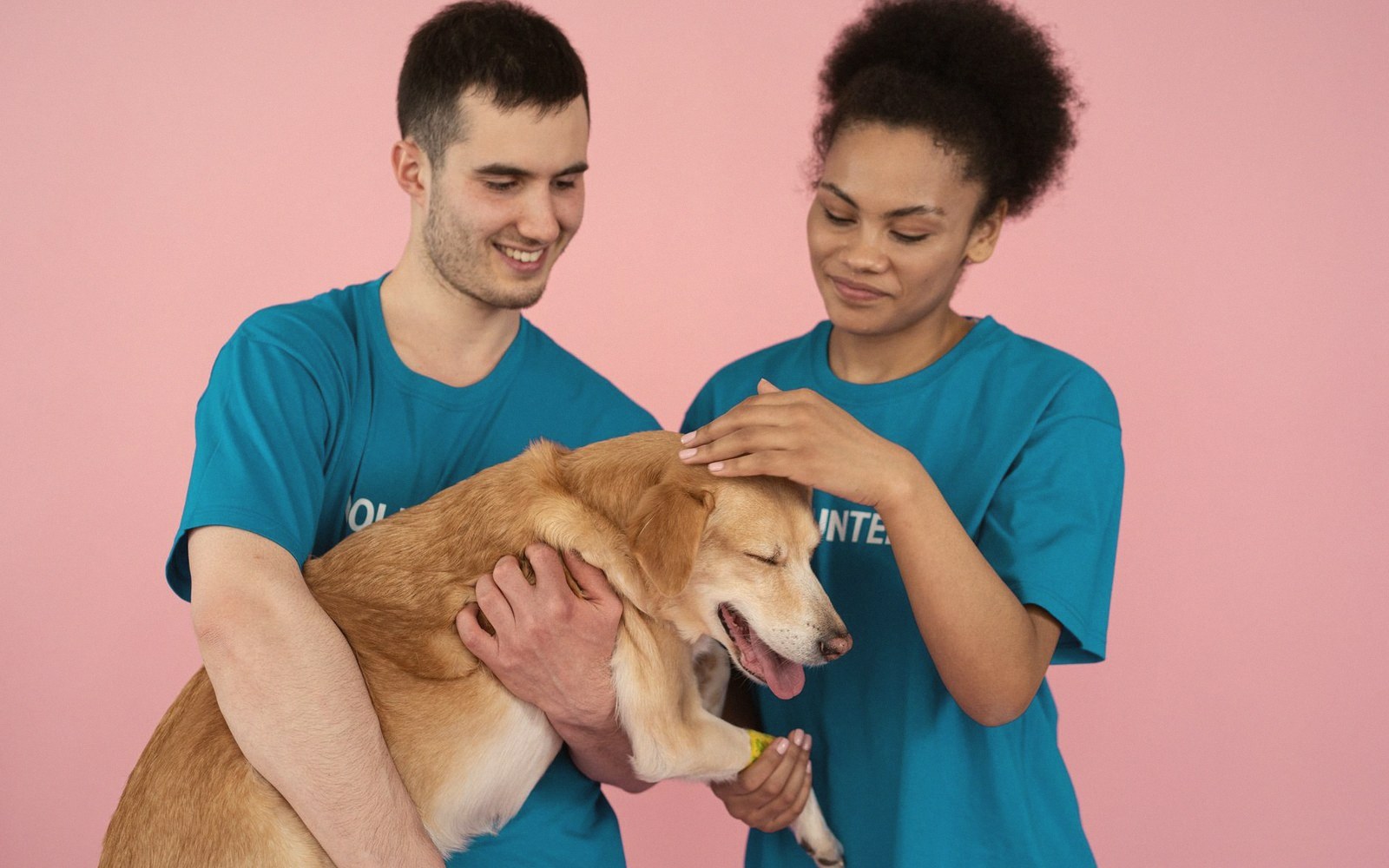
Walk into any busy shelter on a Saturday morning and the majority of people there are unpaid. They are walking dogs, socialising cats, running reception, transporting animals between foster placements and clinics, and fielding the first questions from people who may — or may not — become adopters. Without them, the ratio of animals to paid staff becomes unworkable. The dogs get one walk. The cats get cleaned out and nothing else. Enrichment, which depends on time and consistent human contact, simply does not happen at the level the animals need.
That dependence is real, but it creates a specific problem: a volunteer who does things wrong — moves too fast with a fearful dog, gives an animal information that contradicts what the behaviour team has noted, or handles a reactive animal without the skills to read what is happening — can set an animal's progress back by days. In a short stay that is meaningful. In a long one it compounds.
The training that is not optional08.2
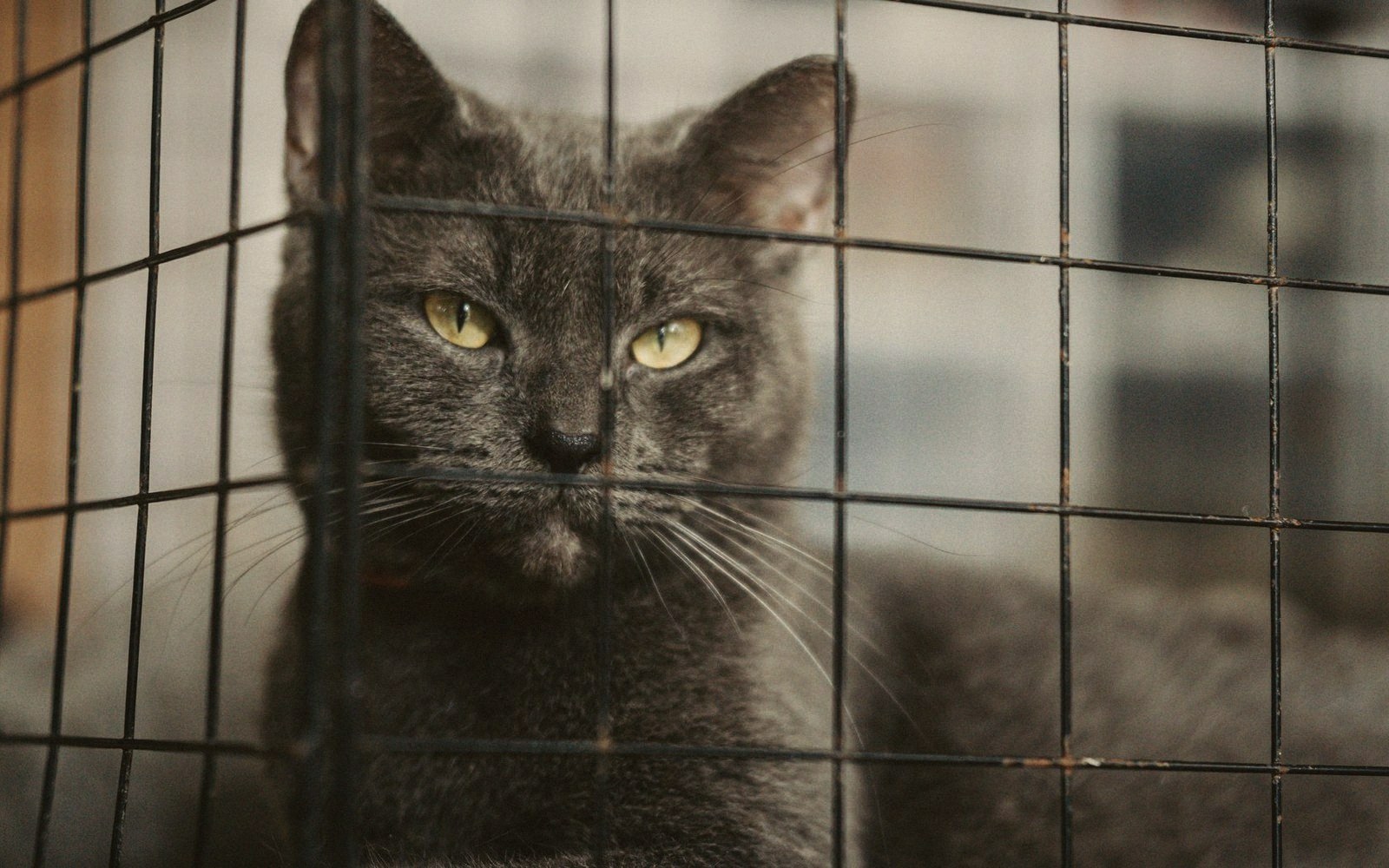
Good volunteer programmes treat training as a non-negotiable condition of access, not a courtesy offered to the keen ones. That means: how the shelter moves animals safely, how to read basic body language, what to write in an observation log and why that log matters, and — critically — what not to do without a behaviour team member present. It also means understanding that what feels kind to a person may be stressful to the animal. Sitting quietly in a run is sometimes the most useful thing a volunteer can do; many new volunteers find that harder than it sounds.
Progression matters too. A volunteer who has spent weeks in the cat room, building confidence and reading animals accurately, is a different resource from a first-day helper, and the observation that beats the test is often built from exactly those accumulated notes. Shelters that treat volunteer hours as interchangeable lose that depth.
The best programmes have a clear structure: induction, supervised period, sign-off for independent tasks, and ongoing contact with paid staff. It is more work to administer than an open-door policy. It produces better outcomes for the animals, and it keeps volunteers safer and longer in the role.
Sitting quietly in a run is sometimes the most useful thing a volunteer can do; many new volunteers find that harder than it sounds.