What a foster carer does

The animal in a real house04.1
A foster carer is not a temporary pet owner. The relationship is closer to a field researcher — somebody living with the animal and watching it with a specific purpose, which is to generate information that a kennel cannot. Feeding and housing are the minimum threshold. The actual work is observation and reporting, done consistently, over time.
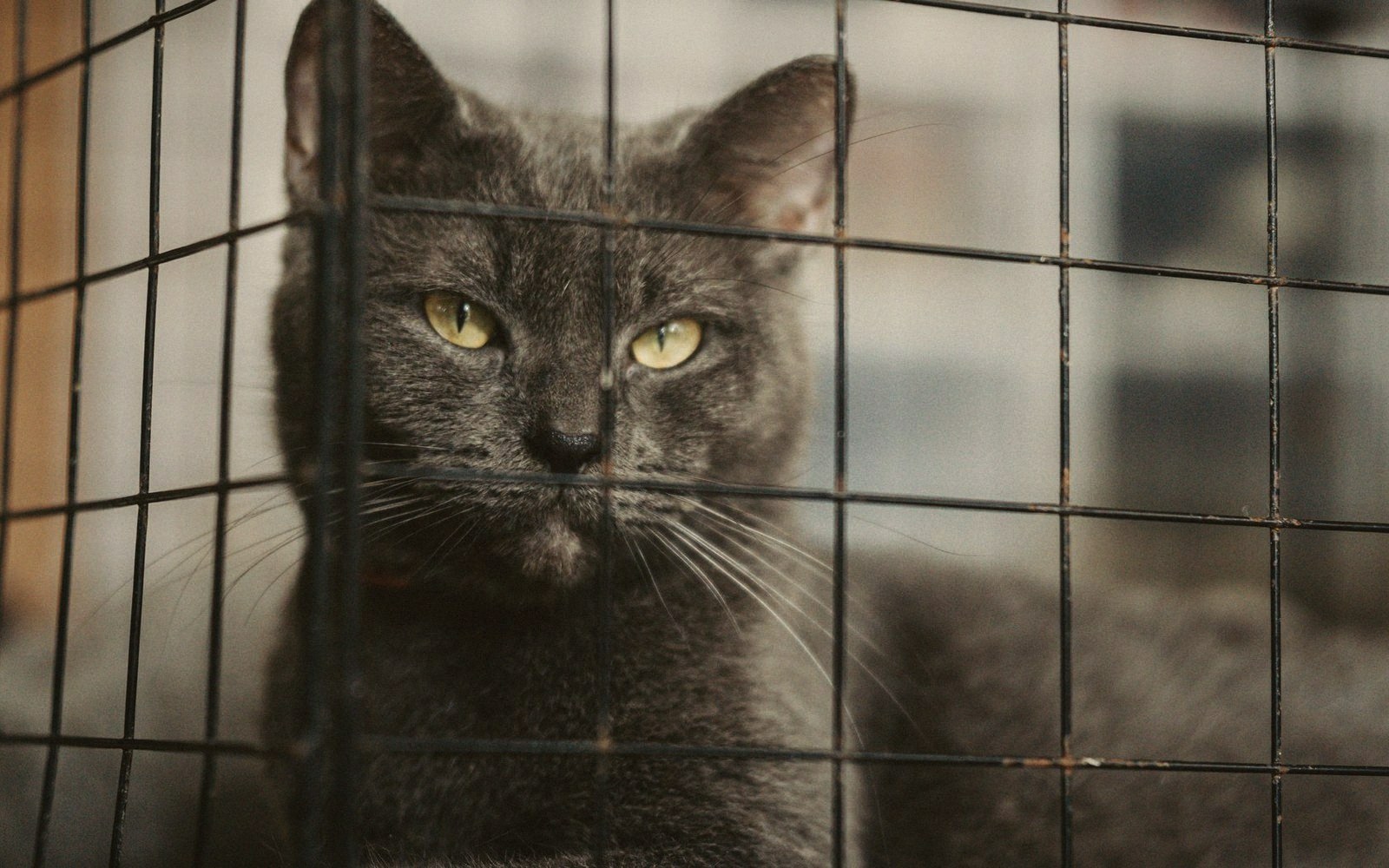
What the shelter needs to know is how the animal behaves once kennel stress has lifted: whether it sleeps through the night, how it reacts to strangers at the door, whether it resource-guards its bowl, how it manages being alone for two hours on a Tuesday morning. None of that is visible in a run. A behaviour test conducted in a kennel gives a snapshot of one animal on one difficult day; a foster placement gives weeks of ordinary moments, and ordinary moments are what an adoptive home actually contains.
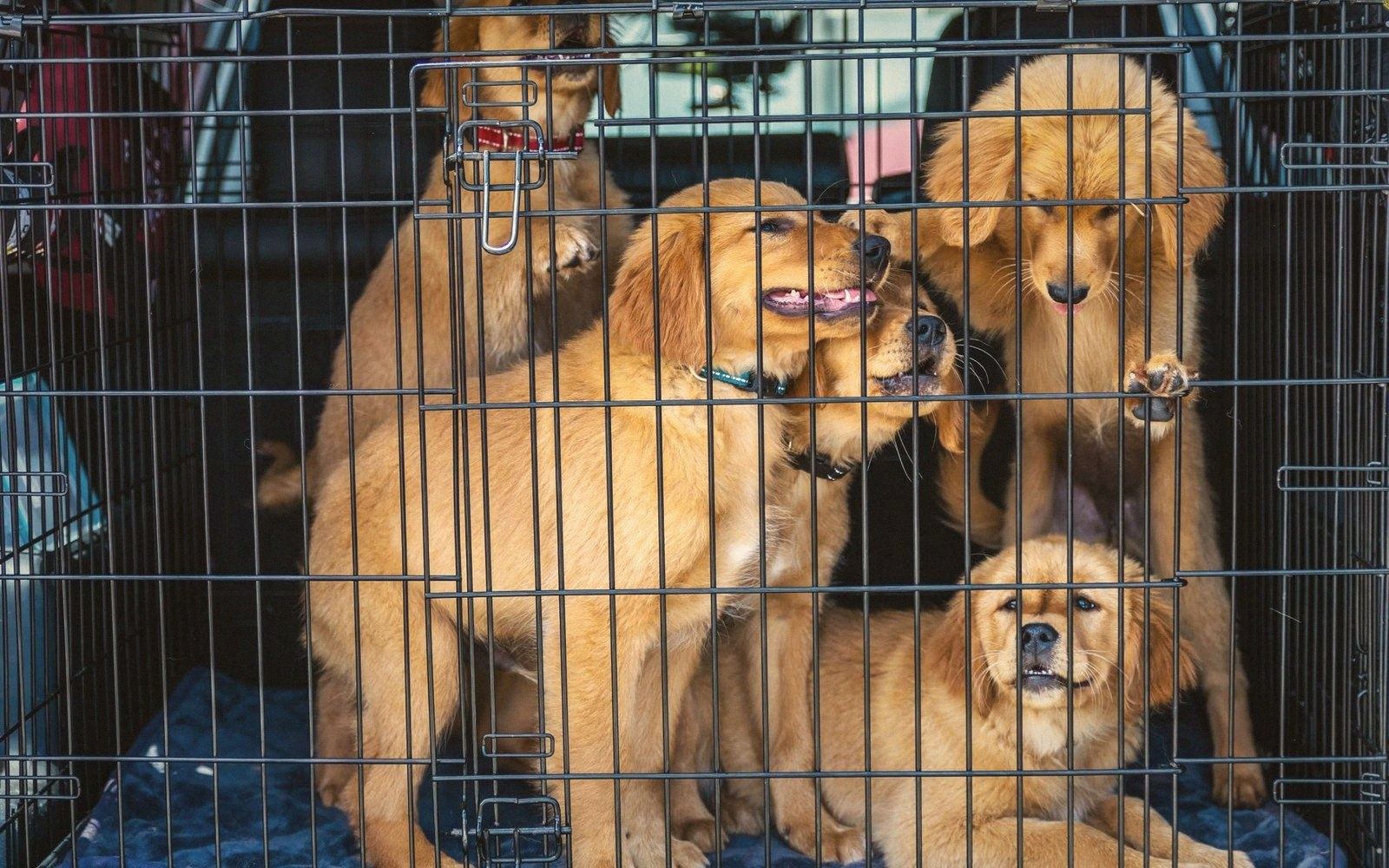
The best foster carers understand this before they start. They are not rescuing the animal. They are building its file.
What the work actually involves04.2
Days have a shape: feeding, exercise, enrichment, some deliberate exposure to the kinds of stimuli the animal will meet in rehoming. That last item is important and often underestimated. A dog that has never been on a bus, encountered a pushchair or heard a doorbell is harder to place — not because it cannot adapt, but because a shelter cannot tell an adopter whether it can. Expanding that experience base is part of the foster role, done calmly and incrementally, not as a project but as a by-product of ordinary life.
The harder discipline is reporting. Most shelters provide a logbook, a form, or now more commonly a messaging thread with a coordinator — but whatever the format, the carer is expected to note what happened, not just how the animal seemed. Barked at the letter carrier is more useful than nervous around strangers. Ate half a bowl and walked away is more useful than picky eater. Specificity is the currency. A coordinator reading two weeks of precise notes can brief a prospective adopter with real confidence; a coordinator reading two weeks of doing well, very sweet cannot.
This is not a criticism of warmth. Most people who foster are motivated by exactly the right instincts. The discipline is simply directing that warmth into careful attention rather than reassurance.
Harder still: the honest report when things go wrong. A foster carer who glosses over a bite, a destructive episode or a serious reaction to another animal because they have become attached, or because they want the animal to find a home quickly, is not helping. That information will surface anyway, almost certainly after adoption, and at greater cost to everyone — including the animal. Accurate negative information protects the animal by matching it to a household that can actually manage it.
Expanding that experience base is part of the foster role, done calmly and incrementally, not as a project but as a by-product of ordinary life.
The foster-to-adopt question04.3
Some placements become permanent, and shelters vary considerably in how they handle this. Some actively encourage foster-to-adopt arrangements; others avoid them because a carer who is hoping to keep an animal will inevitably observe it differently. There is real logic to both positions. What is generally agreed is that the decision should be made explicitly, early, and with the carer's eyes open to the conflict of interest. Fostering with the possibility of adoption is a legitimate path; fostering with a private intention that is never disclosed to the coordinator is something else entirely.
The shape of a placement04.4
Placements end. An animal leaving a foster home for its new address is a good outcome, and experienced foster carers know to treat it as one rather than a loss — though the two feelings are not mutually exclusive and nobody expects a carer to be indifferent. The handover is when the carer's knowledge must transfer: what calms the animal, what frightens it, what the morning routine looks like, how long it takes to settle in a new space. All of it matters and most of it exists only inside that person's head. Getting it out, accurately and completely, is the last act of the foster role and not a small one.
The animals that have been fostered well arrive at their new homes better understood than any kennel resident can be. That understanding is the product of somebody paying close, sustained, honest attention — and filing the report.