The handover
The moment foster carer meets shelter animal looks simple. What passes between them — and what doesn't — shapes the next several weeks.
What travels, and what doesn't04.1
A foster carer collects an animal and drives home with it. What travels in the car with them matters more than most handovers acknowledge.
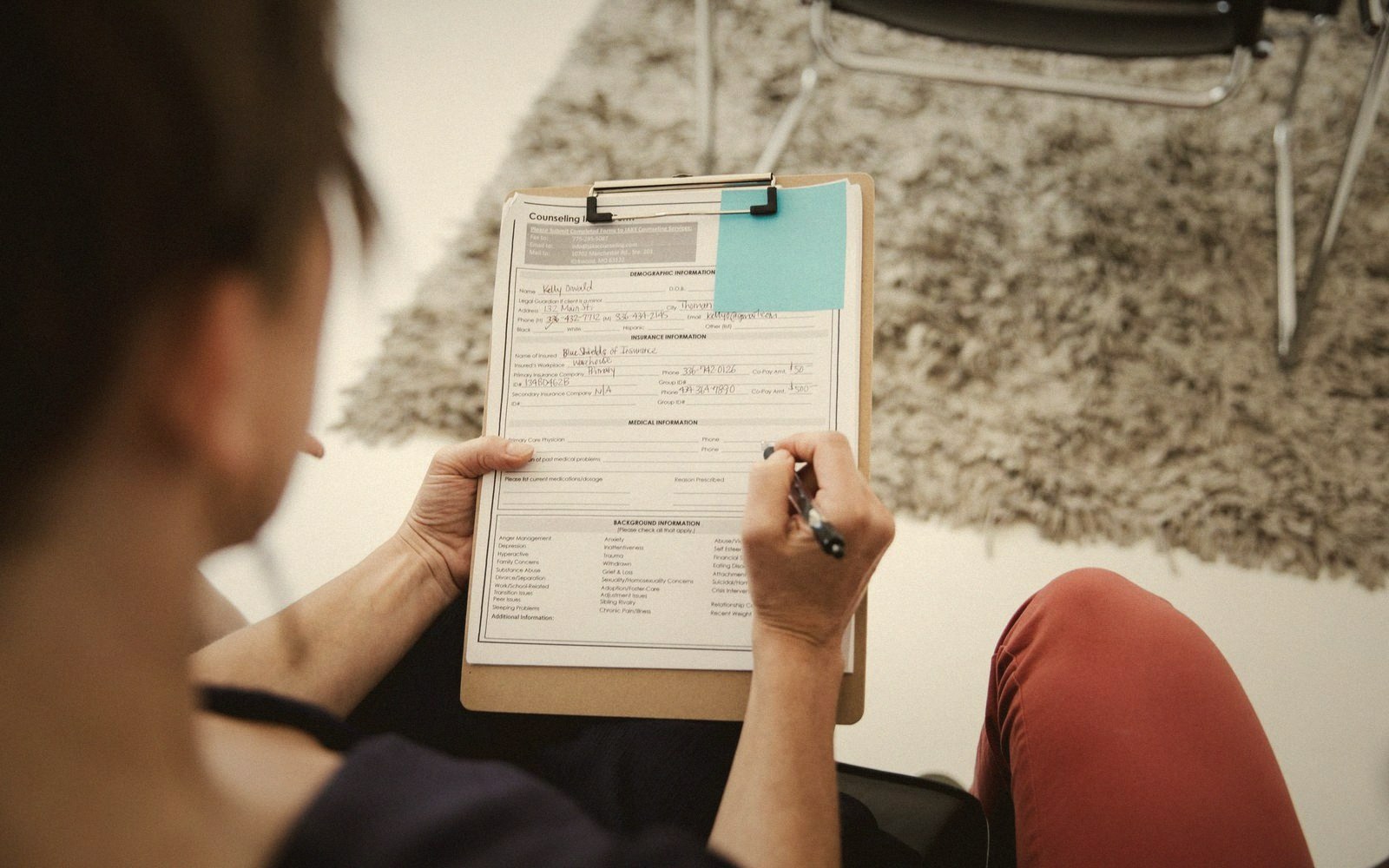
The paperwork, if the shelter runs a tight intake process, captures what was known on arrival: where the animal came from, any behavioural flags noted at the door, a rough history from whoever surrendered it. Some shelters send this in full. Others hand over a single sheet — name, age estimate, feeding notes — because that is all they have time to copy, or all they trust themselves to have verified. What is written down at intake shapes what the foster carer receives, and gaps at intake become gaps at handover.
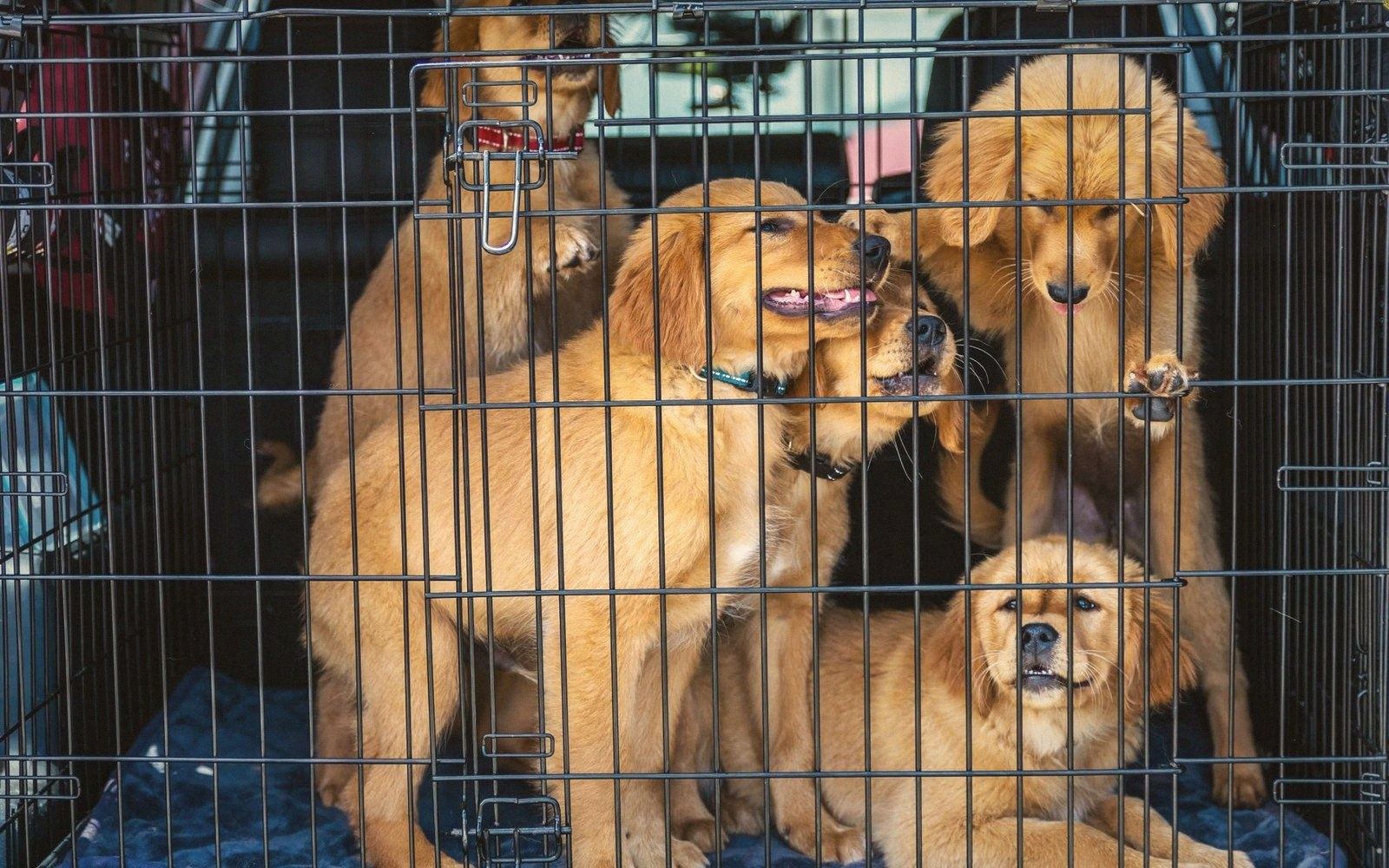
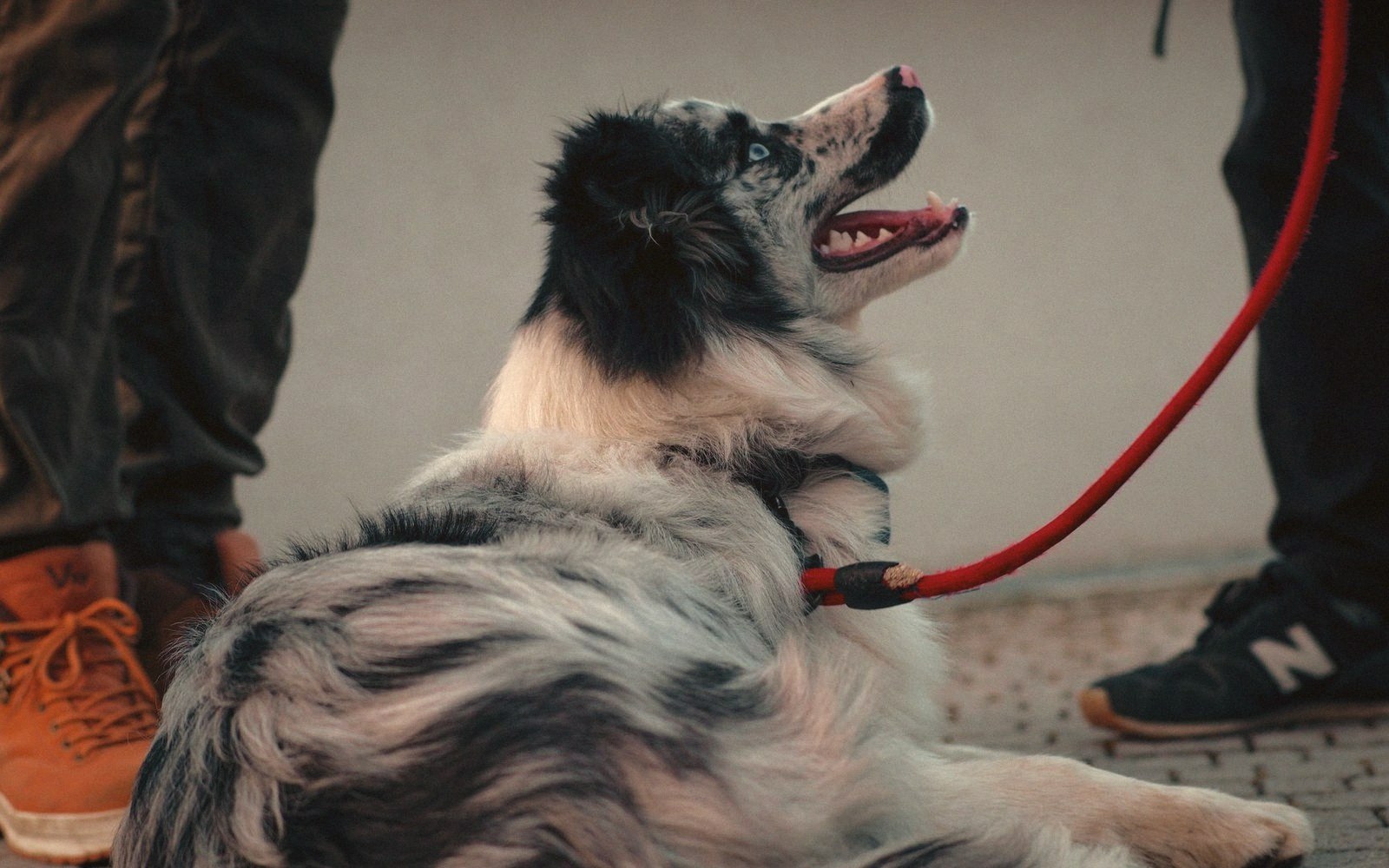
Behaviour observations are where the losses are sharpest. A kennel assistant who has cleaned that run every morning for three weeks knows things a formal assessment sheet does not capture: that the dog flattens when someone bends over it, that the cat eats normally only after the block goes quiet, that a certain kind of noise sends it to the back of the kennel. That knowledge lives in the staff member's head. If they are not the person doing the handover — and often they are not — it evaporates. Weeks of daily notes from the people who clean the run are the richest behavioural record a shelter holds, and they survive the handover only if someone wrote them down.
Good shelters build a verbal handover into the process: not a five-minute chat in the car park, but a seated conversation with whoever knows the animal best. What has the animal responded well to? What has been difficult? Are there patterns in the behaviour that don't yet have an explanation? The foster carer is about to generate new information, and the better the baseline they start from, the more useful that information will be.
What also travels — though it is harder to name — is expectation. A foster carer told an animal is "fine with everything" will be unprepared for the animal that turns out to need careful introductions and a very quiet first fortnight. The quiet fortnight that benefits almost every newly placed animal is harder to deliver if the carer was not told why it matters.
A handover is not admin. It is the transfer of everything useful the shelter has learned about an animal it has spent weeks observing — and the measure of a good one is how little the foster carer has to discover on their own.
Others hand over a single sheet — name, age estimate, feeding notes — because that is all they have time to copy, or all they trust themselves to have verified.