Enrichment is not toys
A Kong and a cardboard box are a start. What actually matters is agency, novelty and something to work the nose.
What the kennel takes away02.1
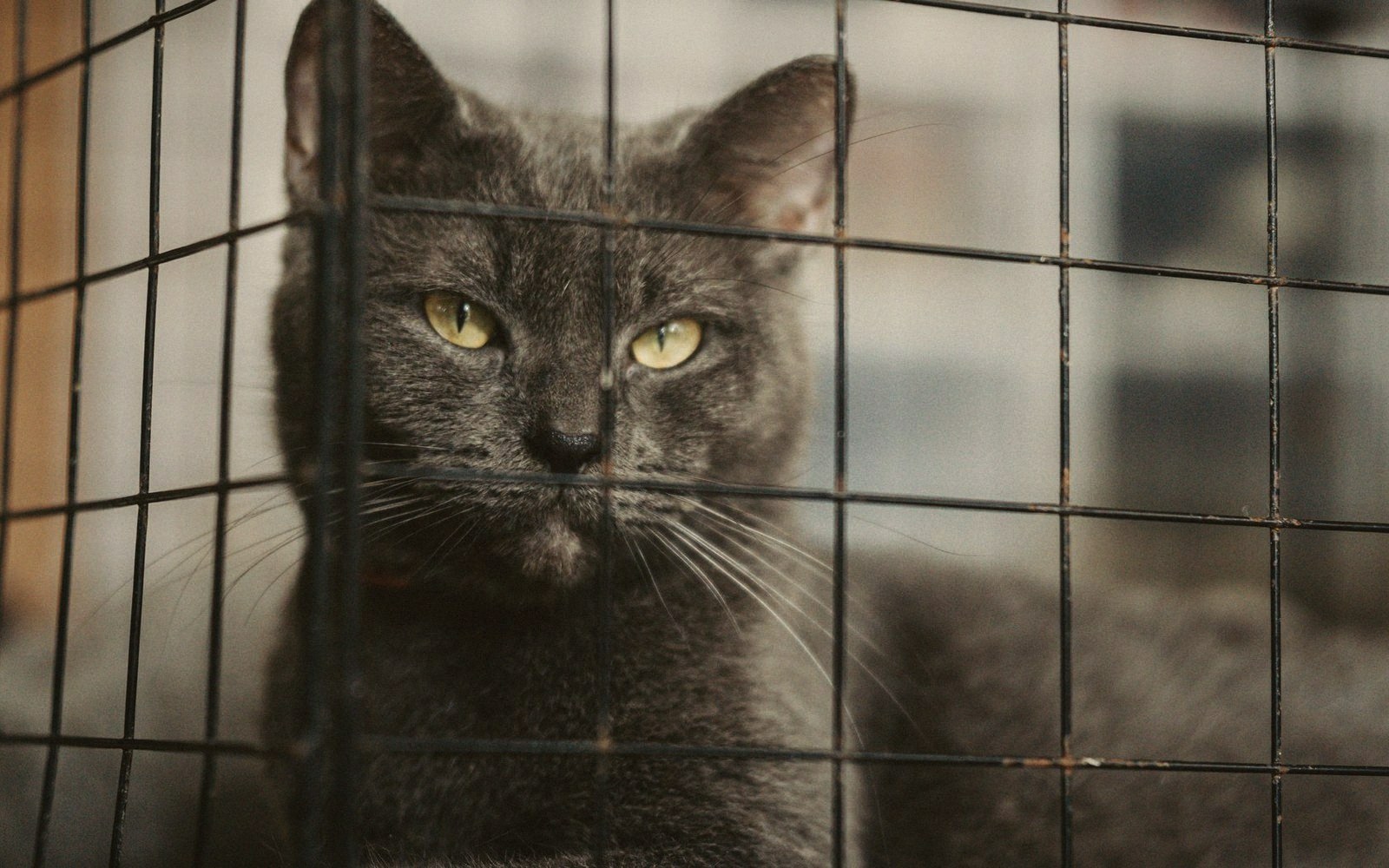
A shelter dog's day is structurally impoverished in ways that toys alone cannot fix. The problem is not boredom in the casual sense — it is the removal of the things that organise a dog's psychology: choice, unpredictability, and olfactory work. In the wild or in a home, a dog makes dozens of micro-decisions an hour. In a kennel run, almost every decision is made for it. Food appears. A person arrives. The door opens or it does not. That loss of agency is stressful in itself, independent of how clean the kennel is or how often the dog is walked.
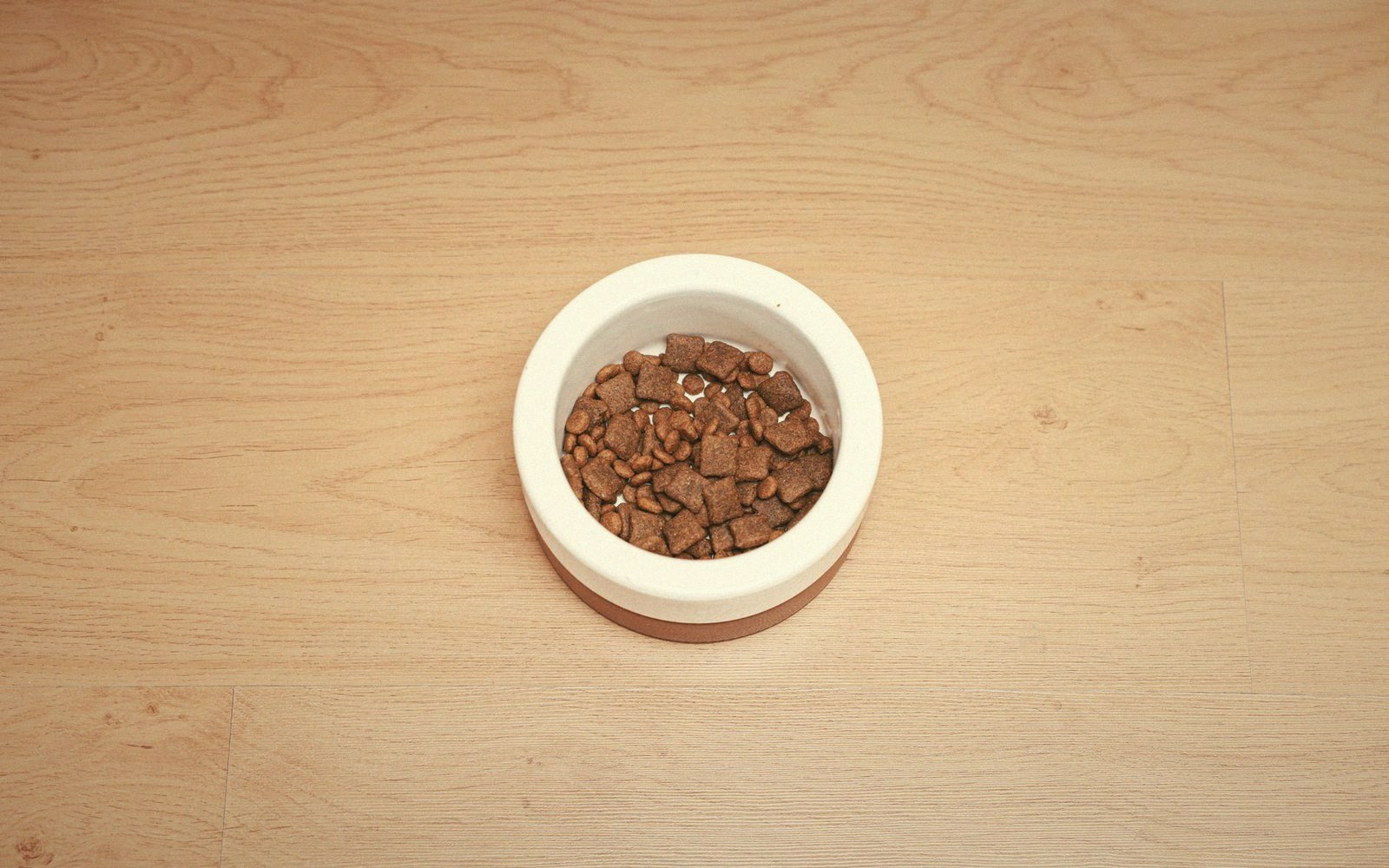
This is why enrichment, properly understood, is not about entertainment. It is about restoring the conditions for normal behaviour. A stuffed Kong occupies a mouth. A snuffle mat or scattered kibble in grass occupies a nose, which is a different and more demanding thing — scent processing requires sustained mental effort in a way that chewing a rubber toy does not. Nose work, scatter feeding and tracking exercises consistently show the strongest behavioural effect per minute of any enrichment type, and they require almost no equipment.
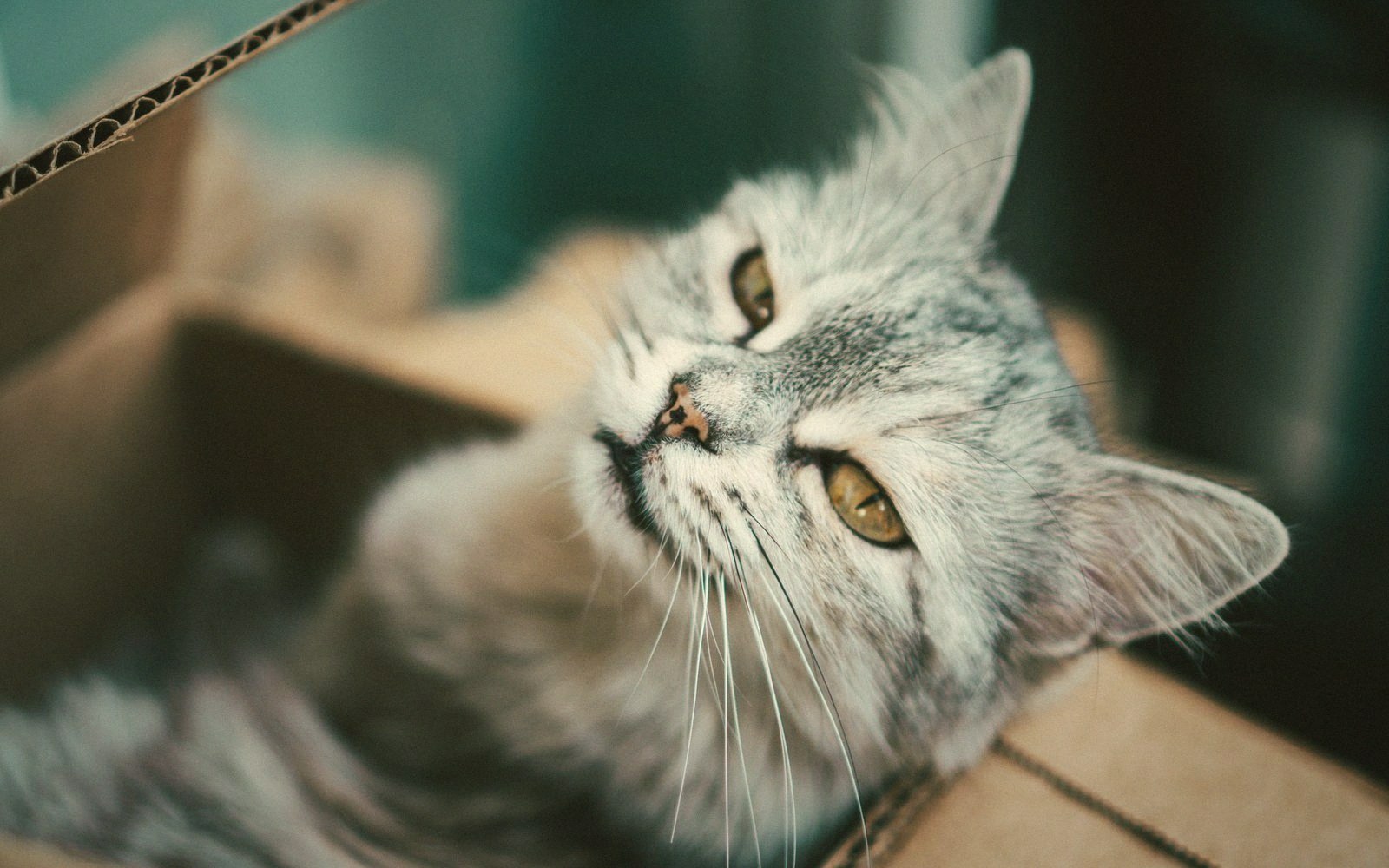
Choice matters as much as novelty. Giving a dog two surfaces to rest on rather than one, the option to move toward or away from human contact, a sleeping area it can partially obscure — these micro-choices measurably reduce stress indicators. Choice is not the same as freedom; it is simply having some say in what happens next. A kennel that offers that, even in small ways, is giving the animal something it can use.
Novelty works only when it is genuinely novel. Rotating items through a rota — different textures, different smells, objects from outside the shelter — keeps the effect alive. The same toy left in the run for a week becomes furniture. Staff and volunteers who bring in worn clothing, garden soil, or dried herbs are not being whimsical; they are feeding the nose something new to process.
Good enrichment is also observational data. How a dog interacts with novel objects, whether it approaches or retreats, whether it works persistently or gives up — all of it tells the staff things a formal test may never surface.
The problem is not boredom in the casual sense — it is the removal of the things that organise a dog's psychology: choice, unpredictability, and olfactory work.